
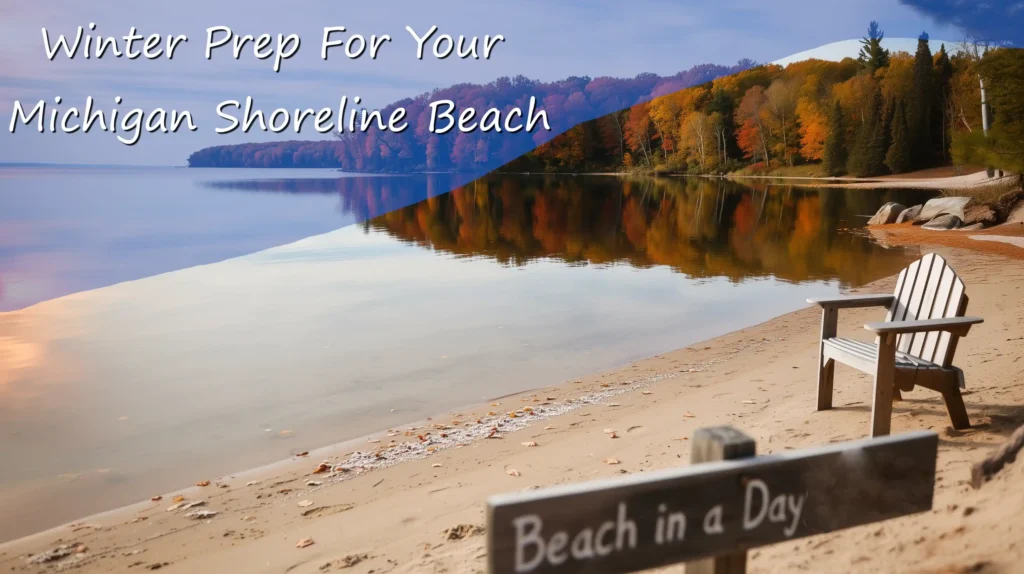
Start prepping your Michigan shoreline beach for winter in late fall by clearing debris, reinforcing edges with native vegetation, and protecting sandy areas from ice heave. Smaller lakes mainly deal with gradual freeze-thaw shifting, while larger lakes like Houghton Lake can see aggressive ice push that reshapes entire beaches overnight. A little prevention in October saves a lot of repair work in April. Here’s what we recommend after 40+ years of seeing what Michigan winters do to shorelines.
As the leaves change and temperatures drop across Michigan, it’s time to start preparing your shoreline beach for winter. What begins as a peaceful freeze can quickly become a season of ice heaving, erosion, and sand displacement—especially if your shoreline isn’t properly protected. At Beach in a Day, we’ve seen how winter conditions can transform a well-maintained beach into a mucky, uneven shoreline by spring.
In this guide, we’ll explain how ice affects different types of inland lakes and offer practical steps to protect your investment. You’ll learn the differences between smaller and larger lake systems, the risks of winter damage, and how to take preventative action before the deep freeze sets in.
Understanding Ice Damage on Michigan Shorelines
Michigan winters create unique shoreline challenges. Ice damage typically occurs through:
- Ice Heaving: Expanding ice pushes against the shoreline, shifting sand and soil.
- Ice Ridges: Wind and wave movement pile ice and debris along the shore.
When ice cover is incomplete—a concern in a warmer winters—open water allows wave energy to reach the beach, causing accelerated erosion.
Small Inland Lakes (Under a Few Hundred Acres)
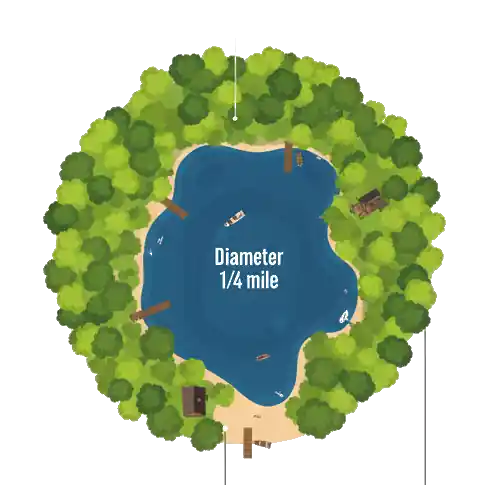
Smaller lakes tend to have limited wave action, so winter damage is often caused by gradual ice expansion and contraction. While less dramatic, freeze-thaw cycles can still shift sand and expose muck. Learn more about our beach restoration services
Large Inland Lakes (1,000+ Acres, e.g., Houghton Lake)
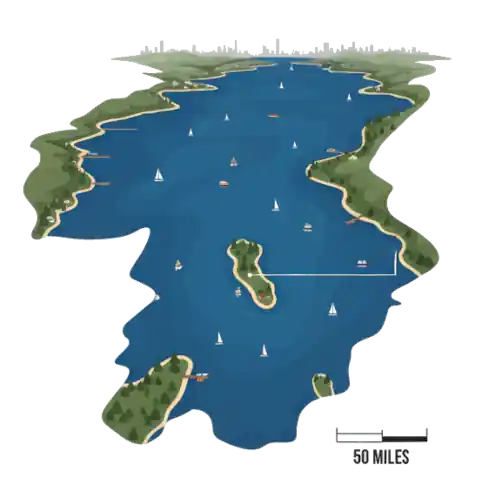
Larger lakes experience stronger winds and greater fetch, leading to more aggressive ice push and erosion. Winter waves can reshape beaches, particularly if shoreline erosion was already weakened during summer.
Step-by-Step Winter Preparation Tips
The best winter preparation relies on natural, EGLE-friendly methods rather than hard structures. With a little foresight, you can protect your beach and avoid costly repairs in spring.
1. Inspect and Clear Your Shoreline
Start with a careful walkthrough:
- Look for signs of erosion, exposed roots, or thinning sand.
- Remove loose furniture, toys, or docks at risk of shifting.
- Lightly rake debris—but leave existing vegetation in place for stability.
On larger lakes, check for wave-scoured areas from fall storms. Persistent muck issues may need spring attention.
Check our DIY guide to permanently removing lake muck
2. Reinforce with Natural Barriers
Nature provides the strongest defense against winter ice. Recommended shoreline protections:
- Native vegetation (switchgrass, willows, sedges) to stabilize edges.
- Buffer strips to absorb wave and ice impact.
- Riprap stone (only when necessary) on high-energy shorelines.
On smaller lakes, vegetation alone may be sufficient. On larger lakes, combining vegetation and stone offers more resilience over winter.
See how our beach installation and SandPro System incorporate these
3. Manage Water Levels & Monitor Weather
Some Michigan lakes with dam systems lower water levels in fall to reduce ice pressure. If your lake association participates, coordinate where possible.For unmanaged lakes:
- Leave shoreline vegetation standing—stems and roots help anchor sand.
- Monitor extreme freeze-thaw events or early storms—these conditions can lead to unexpected winter erosion.
4. Protect Sandy Beach Areas
If your shoreline includes a man-made beach, especially one installed professionally, take time to preserve elevation and sand integrity.
- Avoid chemical de-icers near the water.
- Consider fall sand renourishment where elevation has dropped.
- If you have geotextile fabric (Typar) installed, it will help resist deep washout and muck return.
For DIY-built beaches, ensure a gentle slope to the waterline to prevent freeze pooling and displacement.
Explore our beach restoration options for lasting protection
When to Call the Professionals

While much of winter prep can be done by homeowners, some shorelines—especially on larger lakes—may require professional reinforcement.A professional shoreline team can:
- Identify weak areas prone to winter loss.
- Rebuild elevation and stabilize transitions.
- Integrate ice-resistant elements during installation.
At Beach in a Day, our SandPro beach systems are designed for Michigan winters, built to withstand heaving, erosion, and early thaws without damaging your property.
Preserve Your Beach Through Winter
Michigan winters are powerful, but with proper preparation, your shoreline doesn’t have to suffer. Simple fall steps can protect your investment and ensure your beach is ready for spring—not repair.If you’re unsure where to begin or want expert advice tailored to your lake, we’re here to help with shoreline inspections and spring restoration planning.
Contact Beach in a Day today to keep your waterfront beautiful year-round.
Contact Us Today For A FREE Beach Consultation!Frequently Asked Questions About Winter Beach Prep
Late fall before the first hard freeze is ideal. In Michigan that’s usually October or early November. You want to get everything done while the ground is still workable and before ice starts forming on the lake. Waiting until December is usually too late to make meaningful changes.
Some minor sand displacement from ice heaving and freeze-thaw cycles is normal, especially on larger lakes. Beaches installed with our Sand-Pro System and geotextile fabric hold up much better than loose sand because the fabric anchors the sand base and prevents it from shifting as dramatically. Most of our customers see very little damage over the winter.
Yes. Docks, hoists, and any loose furniture or equipment should be pulled out before the freeze. Ice expansion can crush, shift, or destroy anything left in the water. Removing these items also prevents them from dragging sand and damaging your beach as ice moves them around.
No. Chemical de-icers should never be used near the water. They can contaminate the lake, harm fish and aquatic life, and break down the sand and fabric on your beach. If you need to manage ice on walkways near the shore, use sand for traction instead.
Generally yes. Larger lakes have more wind fetch which creates bigger waves and more aggressive ice push against shorelines. A beach on a 1,000+ acre lake like Houghton Lake will typically see more ice heaving and erosion than a beach on a small 100 acre lake where wave action is limited.
Walk the shoreline and look for areas where sand has been displaced, where the fabric may be exposed, or where erosion has changed the slope. Minor sand displacement can be fixed by raking and redistributing. If you’ve lost significant sand depth or the fabric is compromised, that’s when you want to call in a professional for a spring restoration before beach season starts.
About Beach in a Day
We install and restore custom lakefront beaches using our proprietary SandPro System—no heavy equipment across your yard, just lasting sand, stable shorelines, and beaches designed for Michigan life.

Written by Curt Trierweiler · Curt Trierweiler is co-owner of TT&C Beaches, a Michigan lakefront beach company started by his father Joe in 1978. Curt and his brothers Craig and Chris grew up in the business and have been building, restoring, and sanding beaches on Michigan's inland lakes for over 40 years. When he's not on a job site, Curt is usually out on the water or helping homeowners figure out the best approach for their shoreline.